How J.O.O.N.A.S Sends Dust Home
J.O.O.N.A.S cleans the nearest remaining dirty hexes and launches packed Dust toward the nearest Capsule Catcher, whose output connects to a Conveyor feeding your delivery line. The developer still acknowledges a bug that can stop J.O.O.N.A.S when players move away, so test the complete collection and delivery cycle nearby before relying on remote work.
The cleaner has six arms and works one hex at a time, beyond the fixed coverage of ordinary Robot Vacuum docks. The Catcher receives its airborne capsules and connects remote collection to your existing logistics. Plan around both ends of that journey: the dirty ground being cleaned and the material ultimately reaching the Depot.
Purchase Costs and a Working Destination
The Building Tool costs $50 and opens the structures, logistics, production and power options used for construction. Have it ready before placing the receiving side of the system. If you already own it, focus your purchase budget on J.O.O.N.A.S, the Catcher and their supporting connections.
| Equipment | Documented Purchase Cost |
|---|---|
| J.O.O.N.A.S | $20,000 |
| Capsule Catcher | $1,500 |
| Cleaner and Catcher Together | $21,500 before supporting equipment |
The combined purchase price excludes additional Conveyors, processing equipment and power infrastructure. Keep money available for the receiving route instead of spending everything on the cleaner. Placing a Catcher beside an unfinished belt still leaves you with a delivery problem.
Prove your existing delivery line before buying J.O.O.N.A.S. Follow material through the system and check that it reaches the Depot and earns money. If capsules are accumulating before a processor or at an open belt end, clear that bottleneck before adding remote collection.
Connect the Catcher Before Deploying J.O.O.N.A.S
- Equip the Building Tool to access the construction options. This gives you the logistics and supporting equipment options needed to prepare the receiving route before the cleaner starts sending Dust.
- Place the Capsule Catcher where its output has an accessible connection to your existing logistics. Choosing the output direction carefully gives incoming Dust a straightforward route onward and helps avoid an awkward long Conveyor connection.
- Connect a Conveyor to the Catcher's output, leading toward your existing delivery or processing line. This creates the connection between the airborne capsules caught from J.O.O.N.A.S and the equipment that handles their Dust.
- Complete the delivery route into the Depot's receiving area, including any processing equipment you use along the way. Capsules can accumulate at an unfinished belt end, so the route needs to reach its destination before you judge its income.
- Deploy J.O.O.N.A.S near remaining dirty ground after the Catcher's route is connected. It targets the nearest dirty hexes, allowing you to observe its cleaning behavior before testing how it performs when you travel away.
- Follow the captured Dust through to the Depot and check for payment at the intake. Dust and stone delivered by belt are paid as they arrive, and the intake pays the amount shown on its screen.
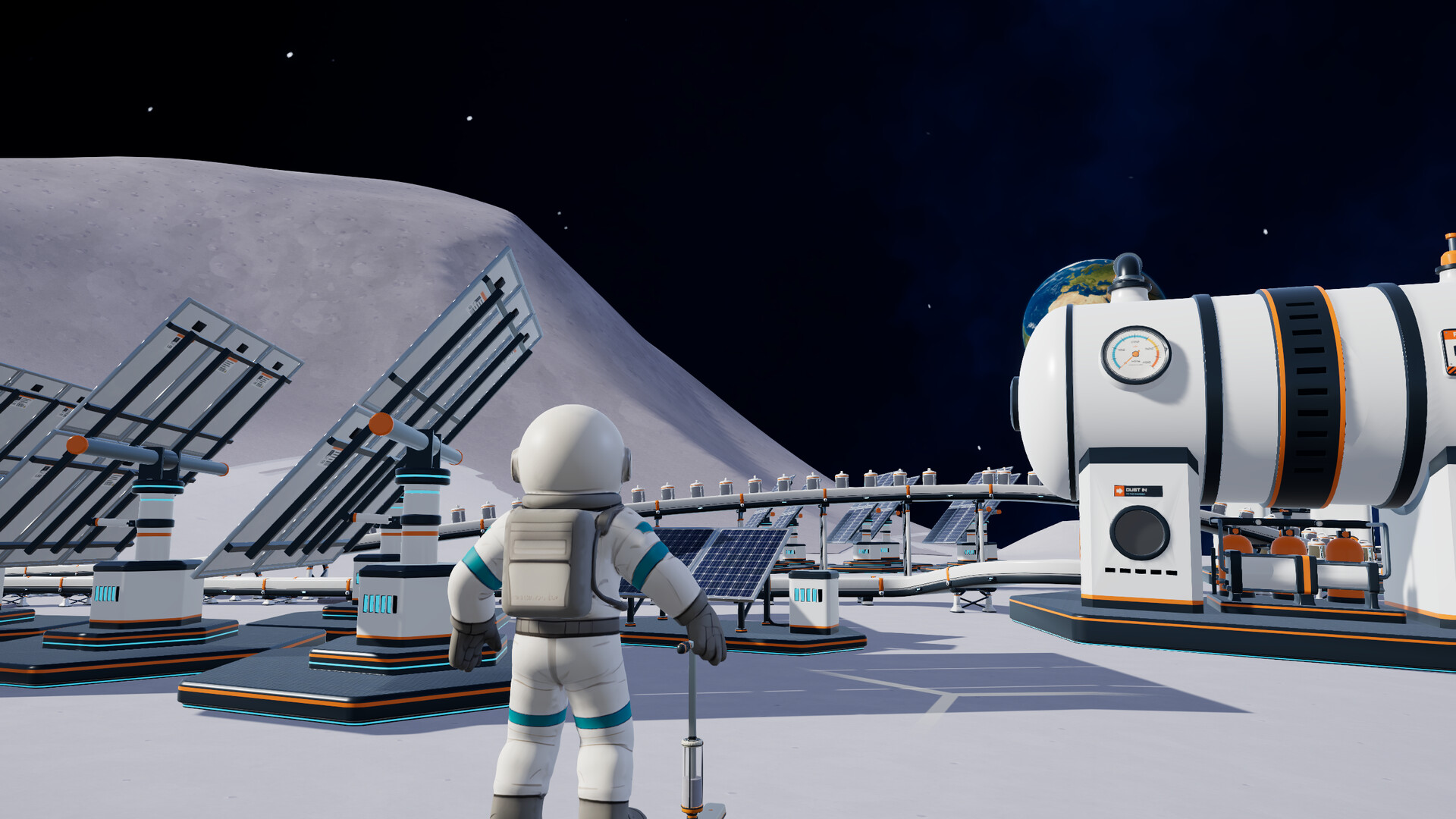
When J.O.O.N.A.S Stops or Dust Stops Arriving
- Check the remaining dirty ground around J.O.O.N.A.S. Its normal target is the nearest remaining dirty hex, so observe where it is trying to clean before changing the receiving side of your setup.
- Check for a Capsule Catcher when the cleaner returns full and waits. Without a Catcher, J.O.O.N.A.S can interrupt its collection cycle this way; prepare the receiving equipment before expecting repeated remote deliveries.
- Inspect the nearest Catcher rather than assuming every launch uses the receiving point you intended. J.O.O.N.A.S sends its collected capsules toward the nearest Capsule Catcher, so begin tracing the delivery route from that destination.
- Trace the Catcher's outgoing Conveyor and inspect its direction at each connection. A belt can look continuous while sending capsules the wrong way, and capsules waiting at an open end still need a working destination.
- Check downstream power when capsules reach processing equipment but production stops. Inspect stored energy and connected demand, particularly if the same machinery worked during daylight; the stopped processor may be holding up an otherwise working delivery route.
- Compare behavior while nearby and after moving away once local delivery works. If the stoppage follows your departure, account for the acknowledged distance issue before paying to rebuild; returning closer is a useful diagnostic check, not a guaranteed repair.
Before Buying Another J.O.O.N.A.S
Check that your existing cleaner is consistently cleaning and delivering before expanding. Additional units do not necessarily provide a matching increase in output, because travel, target selection, capsule delivery and the rest of the factory can affect results. If captured Dust is already accumulating, fix the stage holding it up before adding more collection.
In co-op, the crew uses the host's Upgrade Matrix, and anyone's upgrade purchase applies to everyone. Coordinate spending around the part of the operation that needs attention. While teammates continue cleaning, someone can check that captured Dust is entering the transport and selling system.